
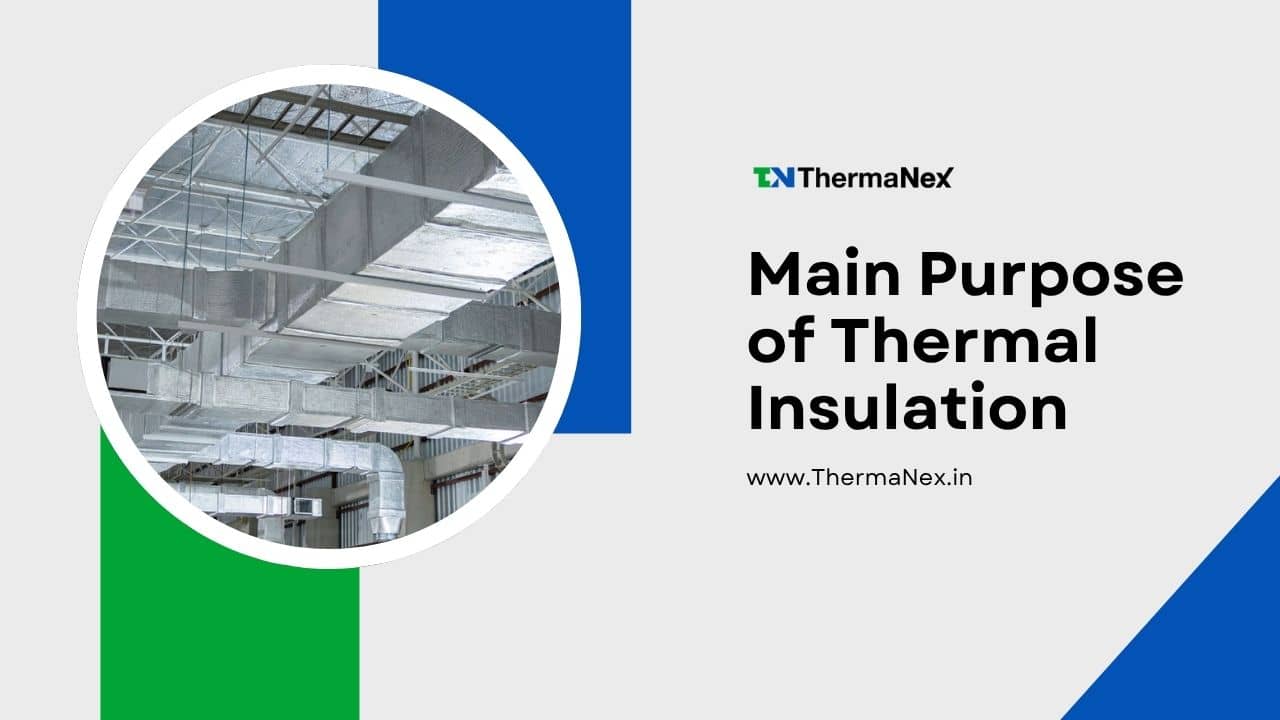
The main purpose of thermal insulation is to reduce heat transfer between objects in thermal contact while maintaining optimal indoor temperatures with minimal energy consumption. For buildings and industrial applications, thermal insulation serves as a critical barrier that controls the movement of thermal energy, resulting in substantial energy savings and improved comfort levels.
Primary Functions of Thermal Insulation
Temperature Control and Energy Efficiency
Thermal insulation creates an effective barrier that prevents unwanted heat flow between interior and exterior environments. During winter months, insulation prevents heat from escaping indoors, while in summer, it blocks external heat from entering, thereby stabilizing indoor temperatures year-round.
Cost Reduction Through Energy Savings
Properly installed thermal insulation can reduce energy expenses by up to 50% on average, making it one of the most cost-effective energy-saving measures available. This dramatic reduction in heating and cooling costs translates to significant long-term savings for both residential and commercial properties.
How Thermal Insulation Works
Thermal insulation functions by creating resistance to heat flow through three primary mechanisms: conduction, convection, and radiation. The effectiveness is measured by thermal resistance (R-value), where higher R-values indicate superior insulating performance.
Most insulation materials achieve their effectiveness by trapping air or other gases within their structure. Since gases are poor conductors of heat due to widely spaced molecules, this trapped air creates an effective thermal break that significantly slows heat movement.
Key Benefits of Thermal Insulation
Energy Efficiency and Environmental Impact
- Reduces greenhouse gas emissions by lowering energy demand
- Decreases carbon footprint of buildings through reduced energy consumption
- Supports environmental sustainability efforts
Comfort and Performance
- Maintains stable indoor temperatures regardless of external weather conditions
- Reduces strain on HVAC systems, extending equipment lifespan
- Improves overall building performance and occupant comfort
Additional Advantages
- Noise Reduction: Acts as acoustic insulation, absorbing airborne noise
- Moisture Control: Prevents condensation, humidity buildup, and mold formation
- Fire Safety: Many modern insulation materials offer fire-resistant properties
- Increased Property Value: Energy-efficient buildings command higher market values
You’ve learned the basics — now see how XLPE foam takes it further 👉🏼 Read Here
Thermal Insulation in India: A Growing Necessity
In India’s diverse climate zones, thermal insulation has become essential rather than optional. With residential and commercial sectors accounting for 31% of total electricity consumption, proper insulation can help Indian manufacturing units reduce energy bills by 10-30%, often saving lakhs of rupees annually.
The Indian thermal insulation market is experiencing significant growth, with increasing awareness of energy efficiency benefits driving adoption across commercial and residential sectors.
Types of Thermal Insulation Materials
Common Insulation Materials
- Fiberglass: Widely used for attics and walls
- Mineral Wool: Excellent for high-temperature applications
- Polyurethane Foam: Ideal for pipes and tanks
- Cellulose: Made from renewable resources
- Polystyrene: Lightweight with good insulating properties
Installation and Professional Services
While some basic insulation can be installed by homeowners, professional installation ensures optimal performance and compliance with building codes. Proper installation is crucial for achieving maximum energy savings and avoiding thermal bridges that can compromise efficiency.
Conclusion
The main purpose of thermal insulation extends far beyond simple temperature control. It represents a comprehensive solution for energy efficiency, cost reduction, environmental sustainability, and improved comfort. Whether for residential homes, commercial buildings, or industrial facilities, thermal insulation delivers measurable benefits that make it an essential component of modern construction and renovation projects.
For businesses and homeowners looking to reduce energy costs while improving comfort, investing in quality thermal insulation provides both immediate and long-term returns through reduced utility bills, enhanced property values, and environmental responsibility