
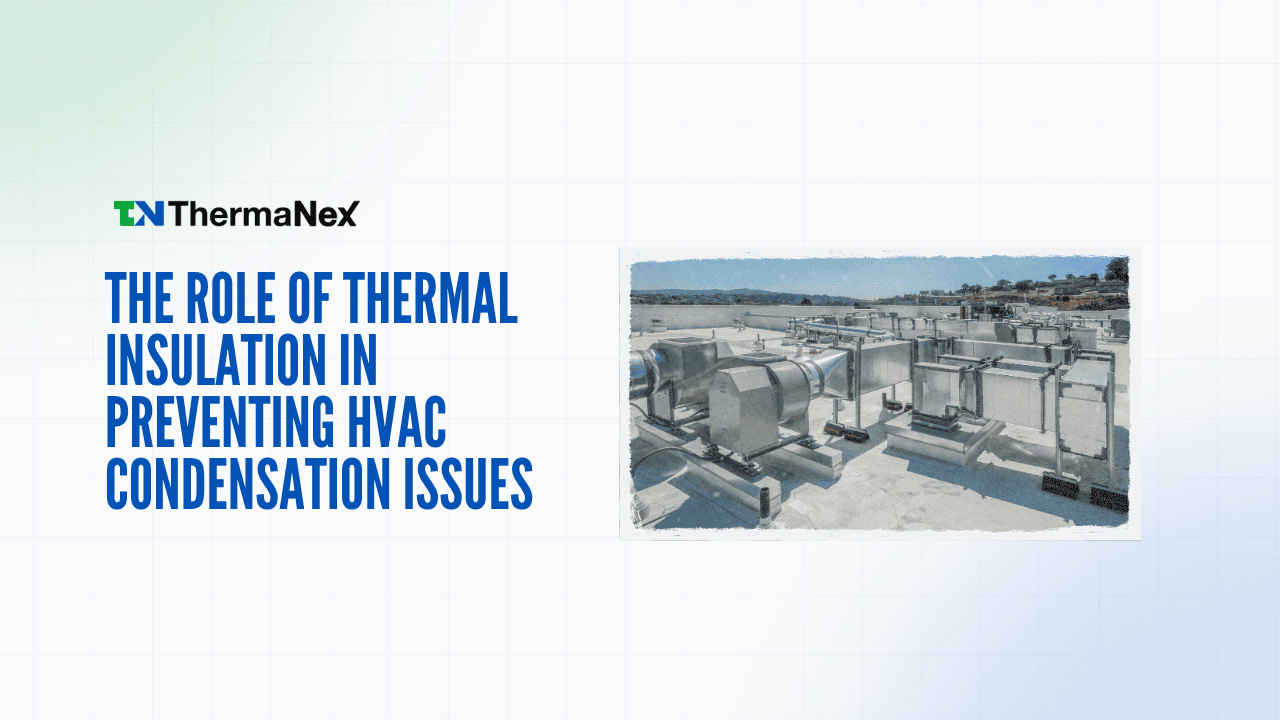
Insulation reduces thermal bridging and surface cooling, helping you prevent condensation on HVAC components and ductwork. By maintaining temperature continuity and selecting appropriate materials and thickness, you protect system efficiency, indoor air quality, and building fabric; this concise guide explains key mechanisms, material options, and installation best practices so you can assess risks and apply effective insulation strategies.
Key Takeaways:
- Thermal insulation reduces surface temperature differentials on ducts and equipment, preventing moisture in the air from condensing on cold surfaces.
- Proper insulation selection and installation (continuous coverage, correct thickness, sealed joints) minimizes thermal bridging and preserves vapor barrier integrity to avoid water accumulation and mold growth.
- Insulation improves system efficiency by reducing energy losses and HVAC cycling, which lowers humidity swings that can lead to condensation.
Understanding HVAC Systems
Components of HVAC Systems
You deal with three core assemblies: the outdoor compressor/condenser, the indoor evaporator coil/air handler, and distribution (ducts or branch lines in mini-splits). Residential capacities range from about 1-5 tons (1 ton = 12,000 BTU/hr), so a typical 3‑ton unit is 36,000 BTU/hr and uses roughly 1,200 CFM at 400 CFM/ton. Other parts you should check include the thermostat, condensate pan and drain, refrigerant lines, expansion device, filters, and insulation on suction lines and ductwork.
Functionality of HVAC Systems
You rely on the refrigeration cycle-compressor, condenser, expansion device, evaporator-to move heat out of conditioned space. When return air at 75°F and 50% RH (dew point ≈54°F) passes over an evaporator at 40-50°F, moisture condenses on the coil and drains away. Proper airflow (about 350-450 CFM/ton), correct refrigerant charge, and sealed ductwork keep coil surface below the dew point without causing icing or excess condensate.
You should watch how low suction-line temperatures and poor insulation create surface condensation; an uninsulated suction line at 45°F running through a 72°F, 60% RH attic will sweat heavily. Typical fixes include insulating the suction line with 3/8″-1/2″ closed-cell rubber for small lines (1″ or thicker for larger), ensuring condensate drains slope 1/8″-1/4″ per foot, and installing float switches or secondary pans to prevent overflow-related damage.
Importance of Thermal Insulation
When you insulate HVAC components properly, you keep metal and duct surfaces above the dew point so condensation stops forming; for example, adding 25-50 mm of closed-cell foam to chilled-water pipes often prevents surface sweating in 60-80% relative humidity environments. By reducing thermal bridging and maintaining stable surface temperatures, your system avoids moisture damage, lowers energy loss, and decreases the frequency of corrosion and mold remediation work in high‑humidity zones.
Definition of Thermal Insulation
Thermal insulation is the material and assembly you place around ducts, pipes, and equipment to slow heat transfer-measured by R‑value (resistance, typically ~3-5 per inch depending on material) or U‑value for assemblies. You select types such as fiberglass, mineral wool, extruded polystyrene, or elastomeric closed‑cell foam based on service temperature, vapor permeability, and space constraints to keep surfaces warmer than the surrounding air and prevent condensation.
Benefits of Thermal Insulation
By applying the right insulation you directly reduce condensation risk, improve energy efficiency, and extend equipment life; ASHRAE guidance and many codes require insulation thicknesses sized to pipe diameter and fluid temperature to avoid sweating. You’ll see fewer water stains, reduced HVAC load swings, and lower utility bills when surface temperatures stay above the ambient dew point during peak summer humidity.
Additionally, you gain operational and health benefits: studies and retrofit reports note that upgrading to closed‑cell insulation cuts moisture intrusion and maintenance calls, while improving indoor air quality by limiting mold growth. In many commercial projects, insulation investments pay back in 1-5 years through energy savings and reduced remediation costs, making it a cost‑effective measure in humid climates or tightly sealed buildings.
HVAC Condensation Issues
When your system’s surfaces fall below the indoor dew point, moisture forms and pools on ducts, coils, and piping, provoking corrosion and mold; addressing insulation gaps reduces these risks and improves efficiency-see The Vital Role Of Proper Insulation | R & D Heating And Air for practical strategies and R‑value recommendations tailored to hot, humid climates.
Causes of HVAC Condensation
If your evaporator coil runs around 35-45°F while indoor relative humidity exceeds 50-60%, condensation will form on any exposed surface cooler than the room air; faulty or low‑R insulation on refrigerant lines, ductwork in unconditioned attics, and blocked drain lines are typical culprits, and short cycling or oversized equipment increases surface wetting by failing to dehumidify air effectively.
Effects of HVAC Condensation
Excess moisture on HVAC components lets mold colonize within 24-48 hours, degrades insulation performance, and promotes metal corrosion that can shorten equipment life; you may see efficiency losses up to 15-20% from compromised heat transfer and face higher maintenance frequency and indoor air quality complaints if the problem persists.
Beyond system wear, your building materials suffer: ceiling stains, warped drywall, and insulation saturation lead to costly repairs and remediation. For example, localized mold remediation often requires containment and replacement of wet insulation, which can add hundreds to thousands of dollars per affected area, so early detection and insulating vulnerable surfaces sharply reduce downstream costs and health risks.
The Role of Thermal Insulation in Condensation Prevention
When you insulate HVAC surfaces properly, you raise surface temperatures above the dew point and block moist air ingress, stopping condensation formation and corrosion. Consult The Critical Role of Water Pipe Insulation in HVAC systems for guidance on material selection and compliance; applying recommended thicknesses often eliminates drip formation and extends service life.
Mechanisms of Prevention
Insulation raises surface temperature and adds thermal resistance so you avoid surfaces falling below dew point, while vapor barriers and continuous cladding prevent humid-air penetration. Proper R-value, correct thickness and sealing of joints remove thermal bridges and keep pipe faces typically 3-5°C above ambient dew point, reducing surface condensation and microbial growth on insulation facings.
Case Studies and Real-World Applications
Several retrofit and new-build projects deliver measurable reductions in condensation events, energy loss and maintenance costs; below are quantified examples you can use as benchmarks when specifying materials, thicknesses and installation practices for similar systems.
- Office retrofit (Midwest): 1,200 m chilled-water piping insulated with 19 mm PIR; surface temp held 4°C above dew point; condensation incidents fell 95% and chilled-line heat gain dropped 12% (~18,500 kWh/year).
- Hospital plant upgrade: 300 m domestic hot-water recirculation insulated with closed-cell elastomeric foam, 9 mm vapor barrier; pipe surface dew-point excursions eliminated, corrosion-related leaks reduced from 6/year to 0 in 24 months.
- Data center chilled loop: 450 m insulated with 25 mm mineral wool and aluminum cladding; mean surface-to-dew-point margin increased 5°C, condensation-related downtime cut by 100% and annual cooling demand reduced 8% (approx. 42,000 kWh).
For practical application, you should match insulation type and thickness to the measured ΔT and humidity profile on site; installers logged fewer installation defects when using preformed sections with taped seams, and asset managers reported payback periods of 1.5-3 years on retrofit projects due to lower maintenance and energy savings.
- Multi-family plumbing (Europe): 2,500 m of preformed pipe insulation, average thickness 12 mm; cold-water line condensation complaints dropped from 27 to 2 per year; estimated water damage claims fell by €24,000 annually.
- Industrial chilled process (Manufacturing): 800 m insulated with 20 mm closed-cell foam and protective jacketing; surface condensation eliminated, product contamination events dropped 90%, and process cooling efficiency improved 6%.
- School HVAC (Seismic retrofit): 600 m ductwork insulated internally and externally, combined R-value increase 30%; visible duct sweating eliminated and maintenance labor hours for moisture mitigation decreased by 70% over one school year.
Best Practices for Implementing Thermal Insulation
You should design continuous insulation runs, specify materials and thickness to hold surface temperatures above the dew point, and document expected operating conditions. For ducts in unconditioned spaces target R-6 to R-8; use 1-2 in. closed-cell or 1.5 in. elastomeric on chilled-water lines; increase to 2-3 in. for refrigeration circuits. Follow ASHRAE 90.1 and local code, and include dew-point margin calculations during design review.
Material Selection
You should choose insulation by balancing R-value, vapor permeability, water absorption and temperature range. Fiberglass offers R-3.1-4.3/in and low cost but absorbs moisture; mineral wool tolerates higher temps and fire exposure; closed-cell spray foam gives R≈6-7/in and acts as vapor retarder; elastomeric nitrile (EPDM) is common for chilled systems due to low permeance and flexibility. Match jacketing and adhesives to corrosive environments and specify manufacturer’s aging and flame-spread data.
Installation Techniques
You must maintain continuous vapor control, avoid compressing insulation, and seal all seams and penetrations. Use foil-faced or mastic-sealed joints on cold surfaces, insulate fittings with pre-formed covers or custom-fabricated sections, and provide removable access at valves. Verify thickness across bends and supports; a 10-15% reduction in effective R-value can occur where insulation is compressed or discontinuous.
You should install by: clean surfaces, pre-cut sections to avoid gaps, fit insulation snugly around cores with longitudinal seams upward, and seal seams continuously with foil tape or ASTM C921-grade mastic. Secure jackets or bands per manufacturer (commonly 12-18 in. spacing on straight runs), cover penetrations with vapor-retardant collars, and perform thermal imaging and dew-point checks after commissioning; correct any cold spots immediately to prevent microbial growth and corrosion under insulation.
Common Misconceptions about Thermal Insulation and HVAC
Many assume thicker insulation or any insulation automatically eliminates condensation, but surface temperature, vapor control and air leakage matter more than blanket thickness; for example a 1″ closed-cell spray foam (≈R-6) can outperform 2″ of fiberglass batts (≈R-3-R-4 per inch) on preventing cold surfaces that drop below the dew point (e.g., 80°F and 60% RH has a dew point near 66°F), so you must match material, R-value and vapor strategy to the application.
Myths Debunked
One myth is that insulation acts as a vapor barrier; in reality many common insulations are vapor permeable and can trap moisture if no retarder is present, and another is that only attic insulation matters-ductwork and equipment casings often account for the worst condensation points; for instance, uninsulated ducts in humid regions frequently show surface sweating within days of installation unless sealed and insulated to appropriate R-values.
FAQs
Will insulation stop all sweating? No-insulation reduces surface cooling but you also need proper sealing, airflow balancing and often a vapor retarder; typical duct insulation values vary by location and exposure, commonly in the R-4 to R-8 range for interior ducts, while exterior or unconditioned runs may require higher R-values per local codes.
For practical guidance you should combine measures: test with a hygrometer to find dew point conditions, seal joints with mastic or UL-certified tape, and choose insulation with the right permeability (foil-faced or closed-cell where vapor drive is high); routine inspections after seasonal humidity shifts and targeting problem spots identified in infrared scans will prevent most recurrent condensation issues.