
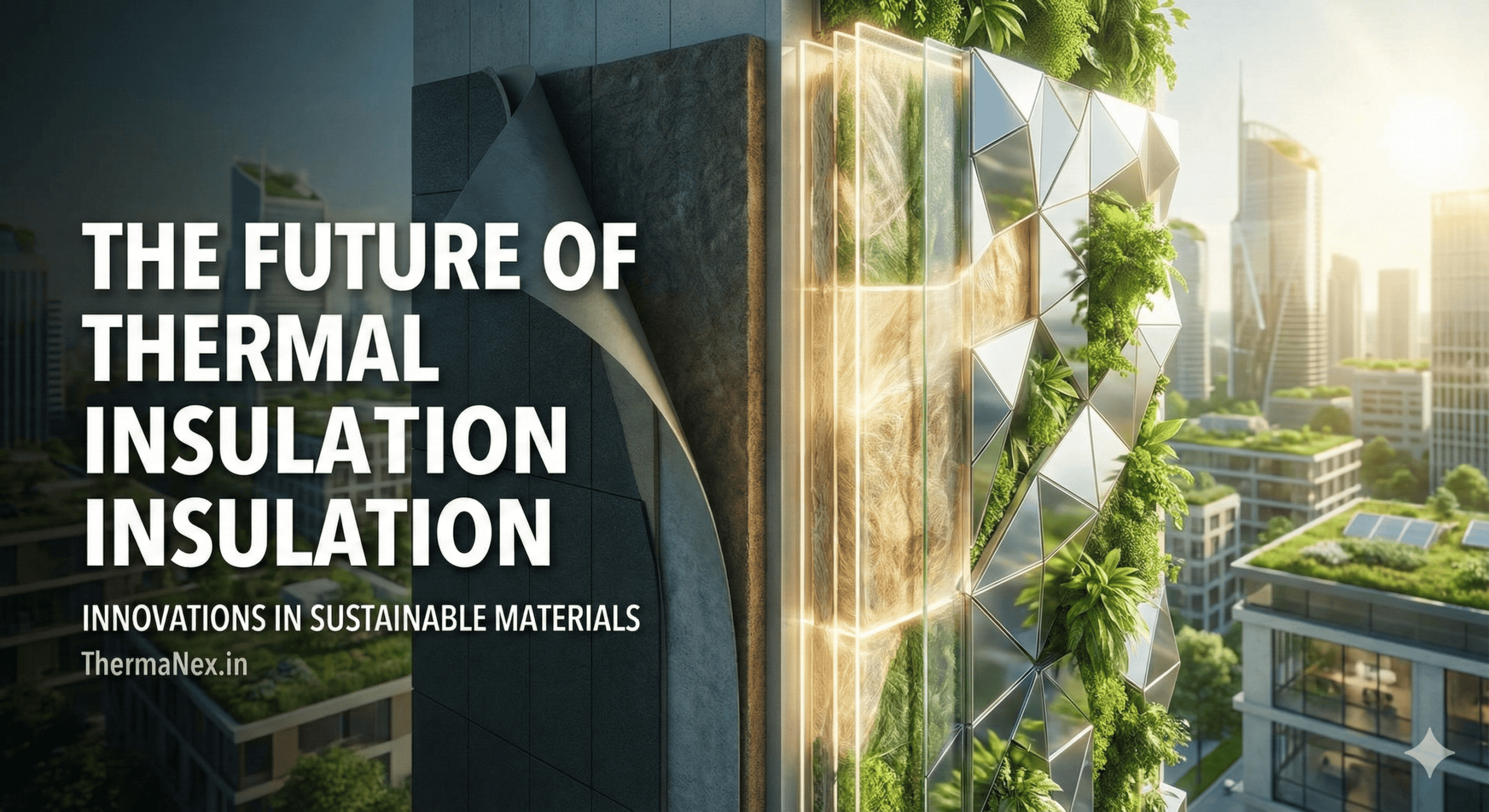
There’s this widespread idea that insulation is just that itchy stuff in your attic you never want to think about again, but your insulation choices are quietly shaping your energy bills, comfort, and carbon footprint. You’re not just stuffing walls – you’re deciding how your home handles heat, how hard your HVAC works, and how much waste ends up in landfills. So in this post, you’ll dig into the new wave of eco-friendly insulation materials that actually work, feel modern, and help your space stay comfy without trashing the planet.
Key Takeaways:
- With builders jumping on bio-based materials like mycelium, hemp, and recycled cellulose, thermal insulation is shifting from fossil-heavy foams to stuff that actually locks in carbon, breathes better, and still keeps walls performing at high R-values without feeling like a science experiment.
- Smart insulation is quietly getting techy, with phase change materials, aerogels, and hybrid layer systems that react to temperature swings, cut peak heating and cooling loads, and help buildings hit net-zero targets instead of just meeting the bare minimum code requirements.`
- What really moves the needle long term is the combo of circular design and low-embodied-carbon products – think reusable panels, modular insulation inserts, and materials that can be disassembled, recycled, or composted at end-of-life so we’re not trading energy savings for a bigger waste problem later.
Why Should We Care About Thermal Insulation?
You care about insulation because it quietly decides how much you actually pay for comfort every single month. In a typical home, 25-35% of heating and cooling energy just leaks through poorly insulated walls and roofs, so if your bill is 200 bucks, 50-70 of that might be literally slipping out through the attic. Good insulation means your HVAC runs less, your rooms stay at a stable temperature, and you don’t get those weird hot-and-cold spots that make you crank up the thermostat out of frustration.
What’s New in Sustainable Materials?
You’ve probably seen those stories about homes insulated with sheep’s wool instead of itchy fiberglass, and it’s not just a quirky Pinterest thing – wool can absorb up to 35% of its weight in moisture without losing performance, so your walls actually handle humidity better. Then you’ve got wood fiber boards popping up in retrofits across Europe, giving you solid R-values plus serious sound dampening, which you really feel if you live near a busy road.
On the higher-tech side, aerogel blankets made from recycled silica are sneaking into ultra-thin wall systems, hitting R-10 per inch in some products, so you get more usable floor space without trashing efficiency. There are even mycelium-based panels grown from fungi, where you literally grow your insulation in a week using agricultural waste, and at end of life you can compost it instead of sending another dumpster-load to landfill.
My Favorite Innovations You’ve Probably Never Heard Of
Aerogel Blankets You Can Actually Use
You know that “frozen smoke” material NASA loves? You can now get it as flexible aerogel blankets that hit R-values above R-10 per inch in lab conditions, yet you cut them with scissors like fabric. In tight spaces – think retrofitting a 1920s brick wall where you can’t lose 4 inches – this stuff lets you upgrade insulation with just 10-15 mm of thickness, and your wall profile barely changes at all.
Vacuum Insulation Panels For Tiny Spaces
When you’re trying to squeeze performance into absurdly thin assemblies, vacuum insulation panels quietly change the game, giving you effective R-values of R-25 to R-50 per inch. You already see them inside high-end fridges, but architects are sliding them into balcony edges and window reveals so your floor stays warm without building a giant thermal bridge. The catch is you can’t puncture them, so you have to plan details like a surgeon.
Wood Fiber Boards That Act Like A Battery
Instead of just blocking heat, wood fiber boards buffer it, so your walls act a bit like a thermal battery that smooths out temperature swings. In a German monitoring study, roofs with 200 mm of wood fiber cut peak indoor summer temps by up to 4°C compared to mineral wool roofs, without active cooling, just because they stored and released heat more slowly. If your climate has hot days and cool nights, you feel this difference every evening.
Phase Change Plaster That Hides In Plain Sight
You might walk into a room and not notice anything, but behind the paint, phase change plasters are quietly melting and solidifying at around 22-24°C, soaking up heat when your room gets a bit too warm. Case studies in offices using about 20 kg of PCM per square meter of ceiling area saw cooling loads drop by 20-30 percent, even though the space looked completely normal to occupants. You basically get a passive buffer without losing a single centimeter of floor space.
How’s the Industry Changing?
New Rules, New Materials, New Mindset
Have you noticed how fast building codes are tightening on energy use while your clients still want thin walls and big windows? You’re now seeing R-30+ roof assemblies as standard, aerogel blankets sliding into space-limited retrofits, and wood-fiber or cork panels specified instead of rigid foam in EU projects. Big manufacturers are pivoting too, pouring R&D into bio-based foams and circular insulation systems, and reports like The Future of Sustainable Insulation: Innovations and Trends are quietly steering what ends up in your specs next year.
The Real Deal About Costs – Are They Worth It?
What You Actually Pay (And Save)
Picture this: your contractor drops a quote that’s 20% higher because you picked wood fiber boards and blown cellulose instead of standard fiberglass, and your first instinct is to flinch. But run the math over 15 to 20 years and it flips – upgraded insulation can cut heating and cooling use by 30% or more, which in a typical home is often 500 to 800 dollars a year. So you might be looking at a 3 to 7 year payback, after that it’s basically money back in your pocket, plus better comfort and resale value you don’t really see on the invoice but buyers feel right away.
Can You DIY Some of These Solutions?
Smart Weekend Projects You Can Actually Pull Off
Some of the coolest insulation upgrades are totally within your reach, no contractor needed. You can roll out sheep’s wool batts in an accessible attic in an afternoon, cutting them to fit between joists with nothing fancier than a bread knife, and they still work when slightly compressed. Or you swap in cork panels on a cold exterior wall behind new drywall – cork runs around 0.04 W/m·K, so you feel the difference fast. Even aerogel-backed draft-stopping tapes around windows can cut air leakage 10-20% if you’re methodical with a $20 caulk gun and a bit of patience.
To wrap up
Drawing together all the hype you’ve seen lately around bio-based foams and smart, adaptive insulation, you can probably feel where this is going – your future projects are going to look and perform very differently. You’re not just picking a material anymore, you’re shaping how your buildings breathe, age, and impact the planet. So as aerogels get cheaper, recycled composites improve, and phase-change tech goes mainstream, your best move is simple.
Stay curious, keep testing, and let your specs reflect where the industry’s heading, not where it’s been.
FAQ
Q: What new sustainable insulation materials are actually showing up in real buildings right now?
A: The funny thing is, a lot of the “futuristic” insulation everyone talks about is already in walls and roofs, it’s just not loudly advertised. Builders are quietly swapping in stuff like wood fiber boards, cellulose made from recycled newspapers, cork, sheep’s wool, and even mushroom-based mycelium panels.
Bio-based materials are getting popular because they don’t just trap heat, they also store carbon that plants pulled out of the air. So instead of a product that only reduces energy use after installation, you get one that has a lower production footprint too, which is a huge deal in new climate-focused building codes.
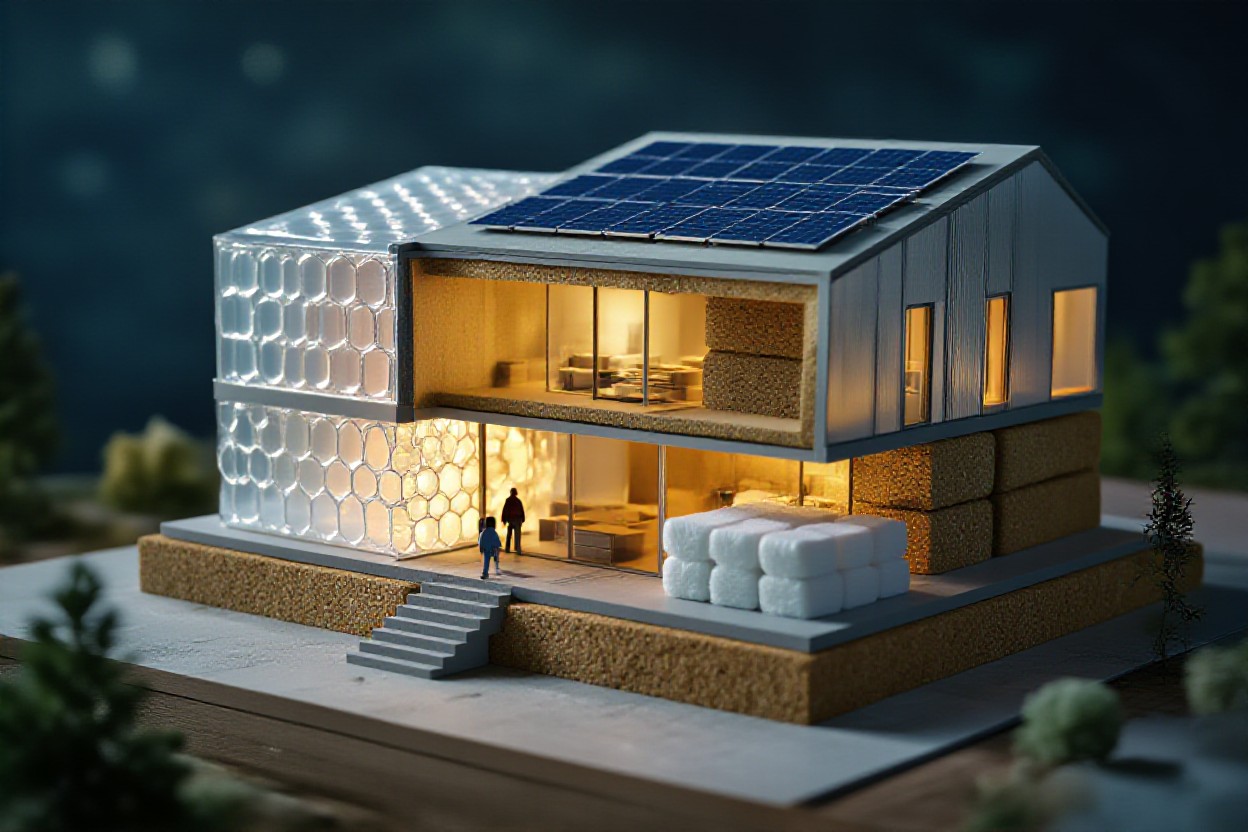
Some of the coolest projects use hybrid setups: vacuum insulated panels in tight spaces, wood fiber or cork on the outside, and cellulose in the cavities. That mix lets designers hit crazy-low energy targets without turning the building into a plastic box. If you’re renovating, you’re likely to see dense-pack cellulose or wood fiber batts offered way more often in the next few years.
Q: How do these eco-friendly materials stack up against traditional fiberglass or foam in performance and durability?
A: On pure R-value per inch, rigid foams and vacuum insulated panels still win, no contest. But once you zoom out and look at moisture handling, comfort, fire behavior, and long-term stability, a lot of the newer sustainable options actually hold their own pretty well, and sometimes beat the old-school stuff.
Materials like wood fiber and cellulose can buffer moisture, which means they soak up a bit, let it move, then release it again instead of trapping it inside a wall. That little trick reduces the risk of condensation and mold if the rest of the assembly is designed right, and it can make rooms feel less “stuffy” because humidity swings are softer.
Durability hinges a lot on detailing and installation. Bio-based products need smart vapor control, good flashing, and no shortcuts on air sealing. If they’re kept reasonably dry and protected from UV and pests, they’ve shown decades-long life in European buildings. In short, performance isn’t only about R-value on a datasheet – it’s about how the whole system behaves over time.
Q: What should homeowners and designers watch for when choosing next-gen sustainable insulation for a project?
A: First thing to check is the full picture, not just the green label on the front of the bag. You want to see third-party certifications, an environmental product declaration (EPD) if possible, and clear info on things like fire treatment, binders, and any added chemicals so you know what you’re actually putting in the building.
Another big one is climate and assembly fit. A wood fiber exterior layer might be amazing in a cold climate with ventilated cladding but less ideal if you’re in a hot-humid region and you don’t have shading or drainage gaps. So it’s not just “is this sustainable?” – it’s “does this material make sense in this specific wall or roof in this specific place?”.
For most projects, the smart move is to combine better materials with better design: thick insulation, airtight but still repairable layers, and details that can actually be built without heroic effort. If you’re not sure, asking for a hygrothermal (WUFI-type) check or talking to someone who’s already used that product in your climate can save you a lot of headaches later.